Knowing where to start when talking about mental health isn’t easy and that’s particularly true if you’re talking to a child. Mental health difficulties are often poorly understood, and much of the available information can be hard to understand and even harder to hold on to. Even with an understanding and the best intentions, launching into a discussion, say about anxiety or loss, can soon shut down communication rather than open it up.
So how do you start big conversations?
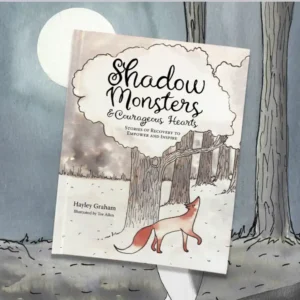
I wrote ‘Shadow Monsters and Courageous Hearts,’ to help parents, educators and counsellors do just that. It uses stories as a way of gently opening up channels of communication. There are five in total, exploring the most commonly occurring mental health difficulties that I have come across in my years of working with children and adults.
Stories make it easier for us to understand and retain information. They work for all types of learners and can convey complex ideas in engaging and accessible ways that are more likely to influence beliefs and behaviours. More than that, stories provide insight, guidance and help us make connections. They offer hope and remind us we’re not alone, and, as if that’s not enough, stories help us find meaning and bring about healing.
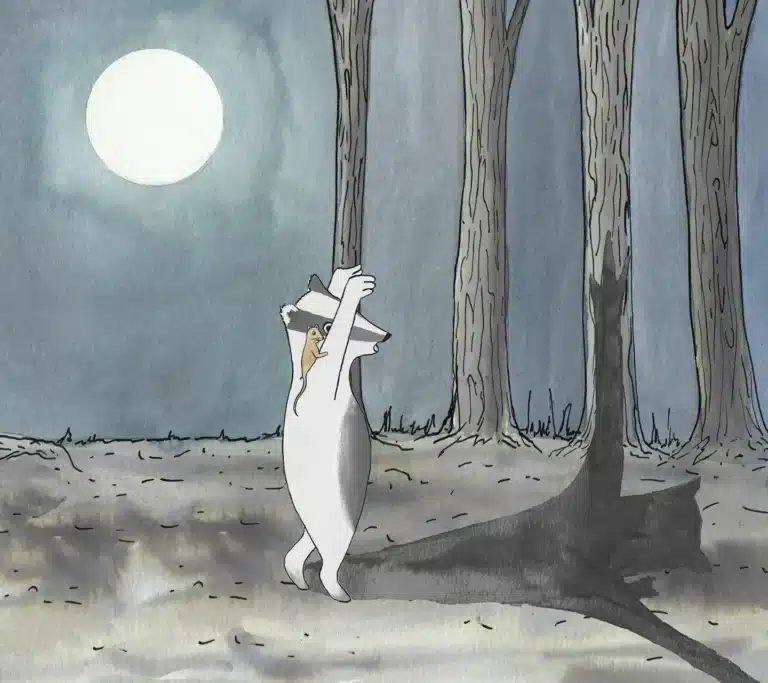
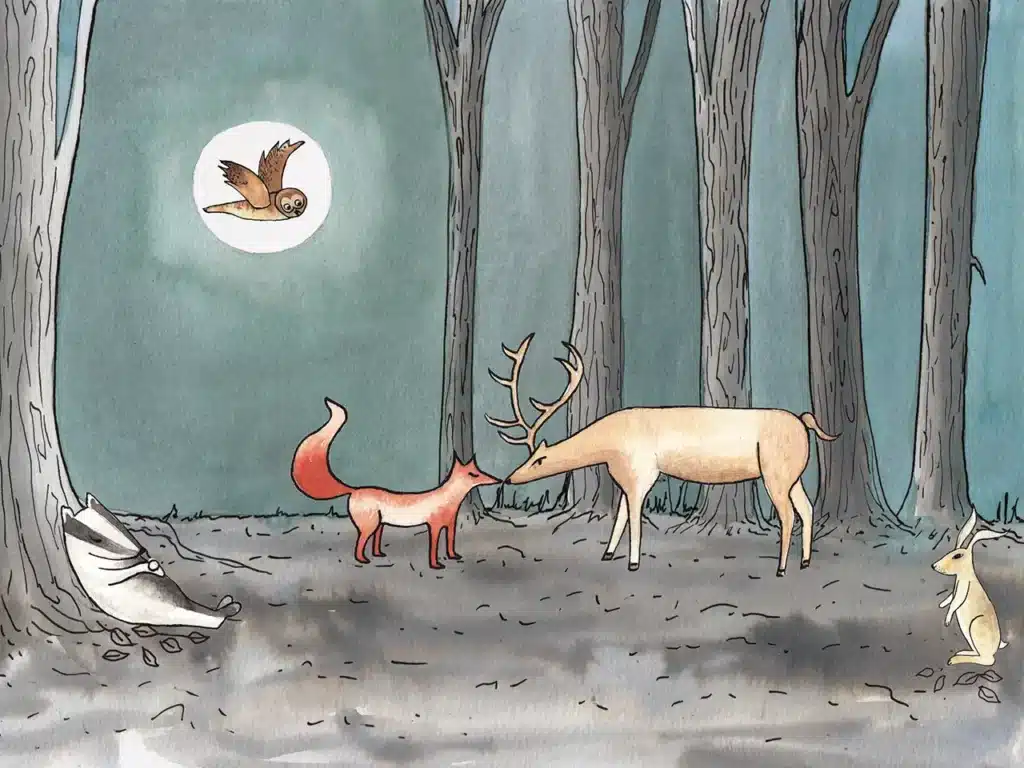
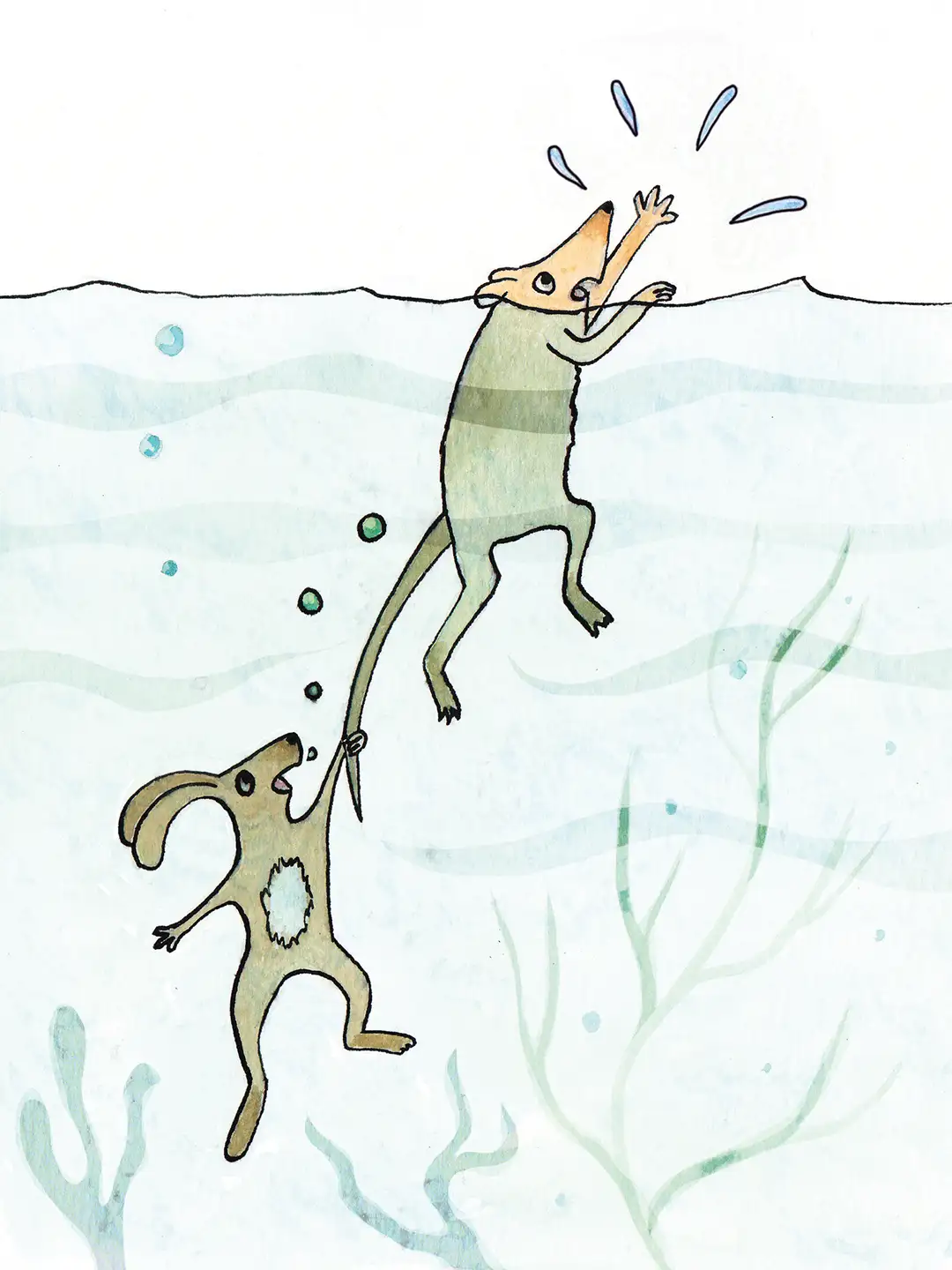
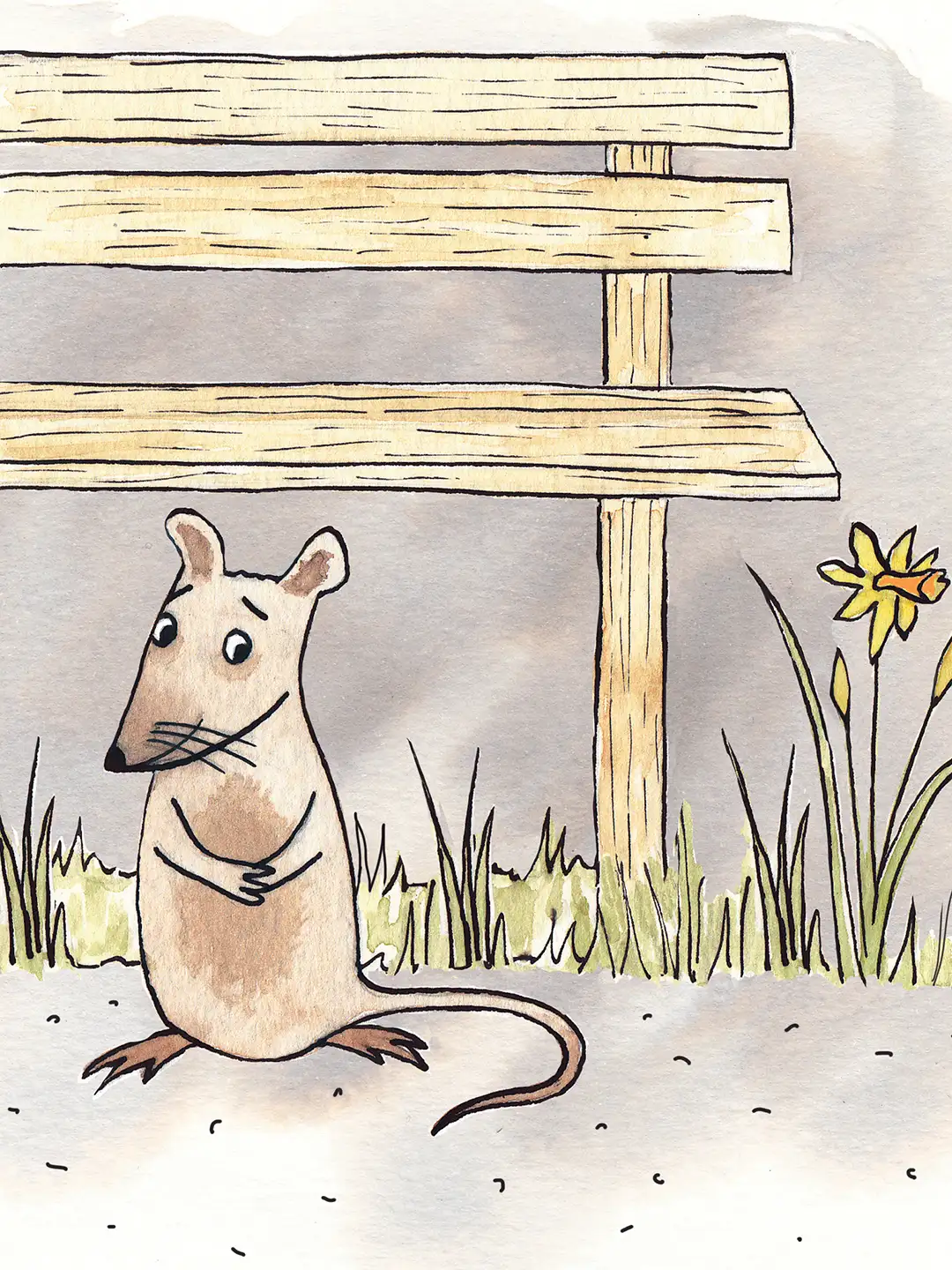
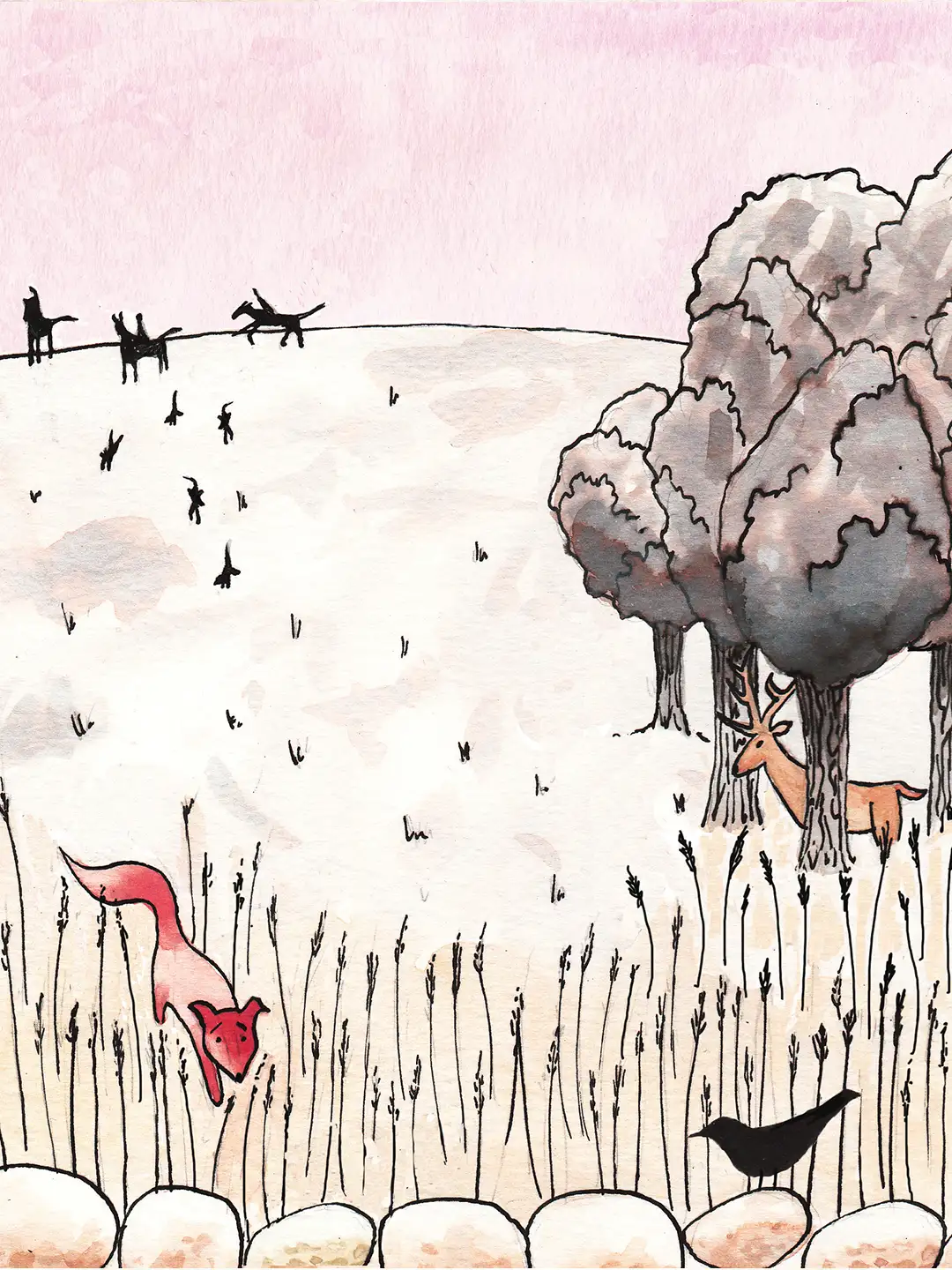
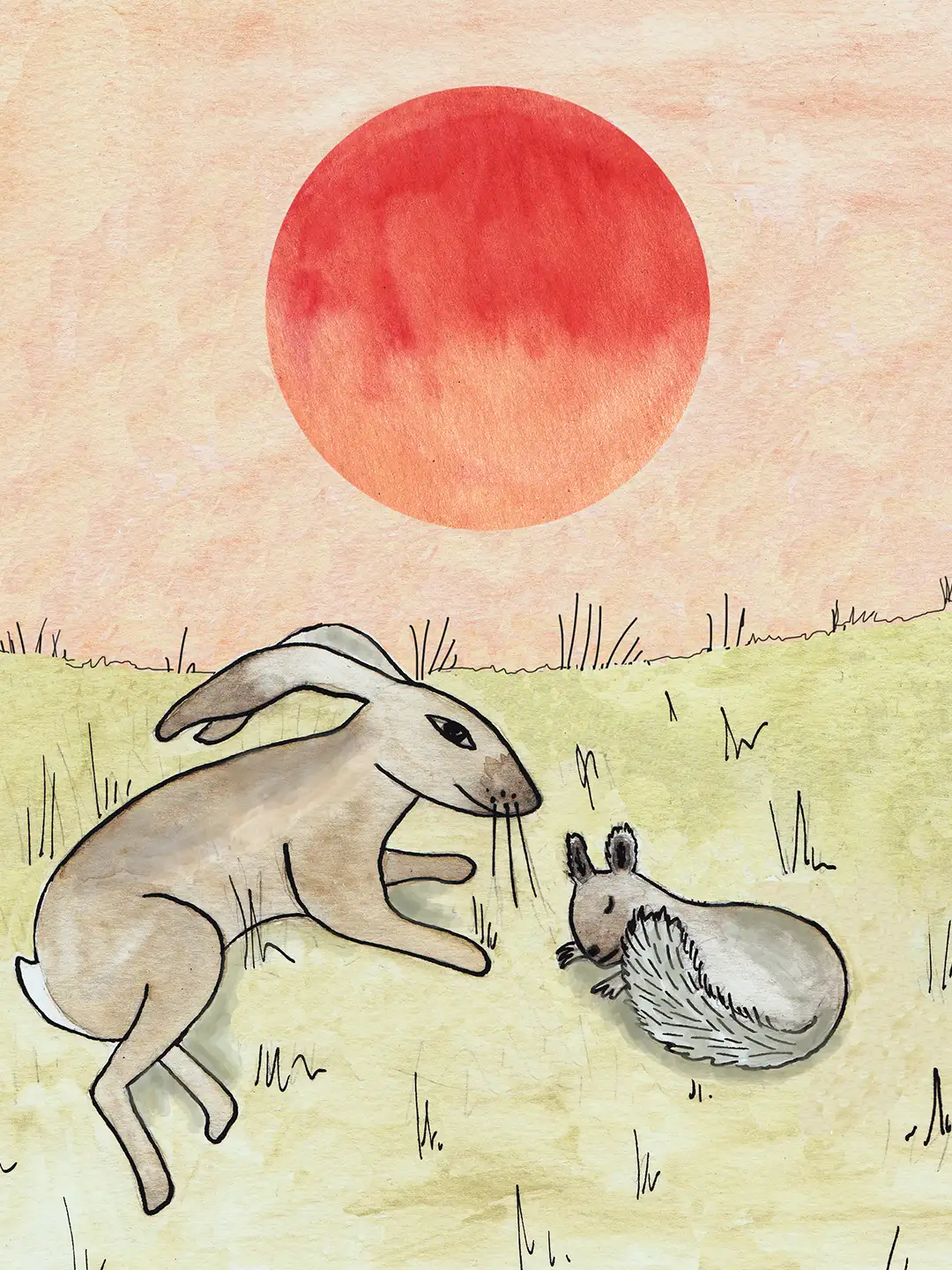
In ‘Shadow Monsters and Courageous Hearts,’ we follow Fox, Mouse, Squirrel, and Rat as they journey towards their own personal understanding and healing. The book goes on to provide adults with succinct explanations of the mental health challenges explored and suggests questions related to the stories adults can use to start conversations.
There is also a section in the book that offers ideas about how to help children and young people who might be suffering with a mental health difficulty.
However, I didn’t write these stories just for those directly experiencing the challenges with mental health, I wrote it for all children and for the child within all of us – to educate, empower, promote healing and to build empathy, understanding and connection.